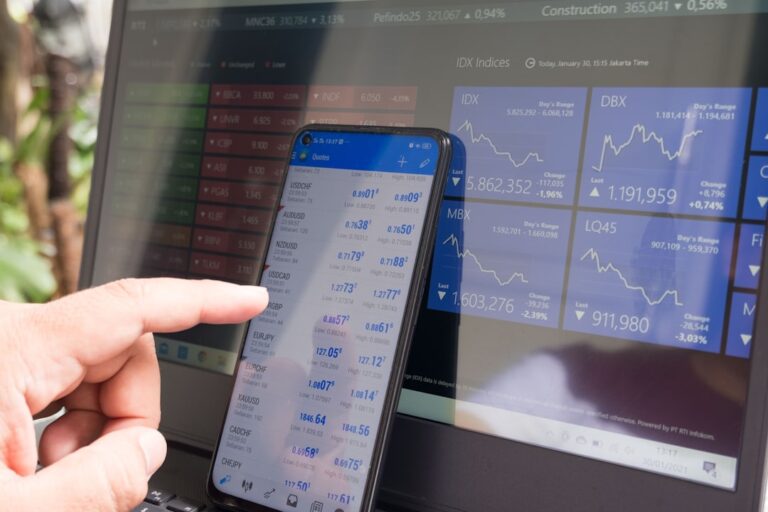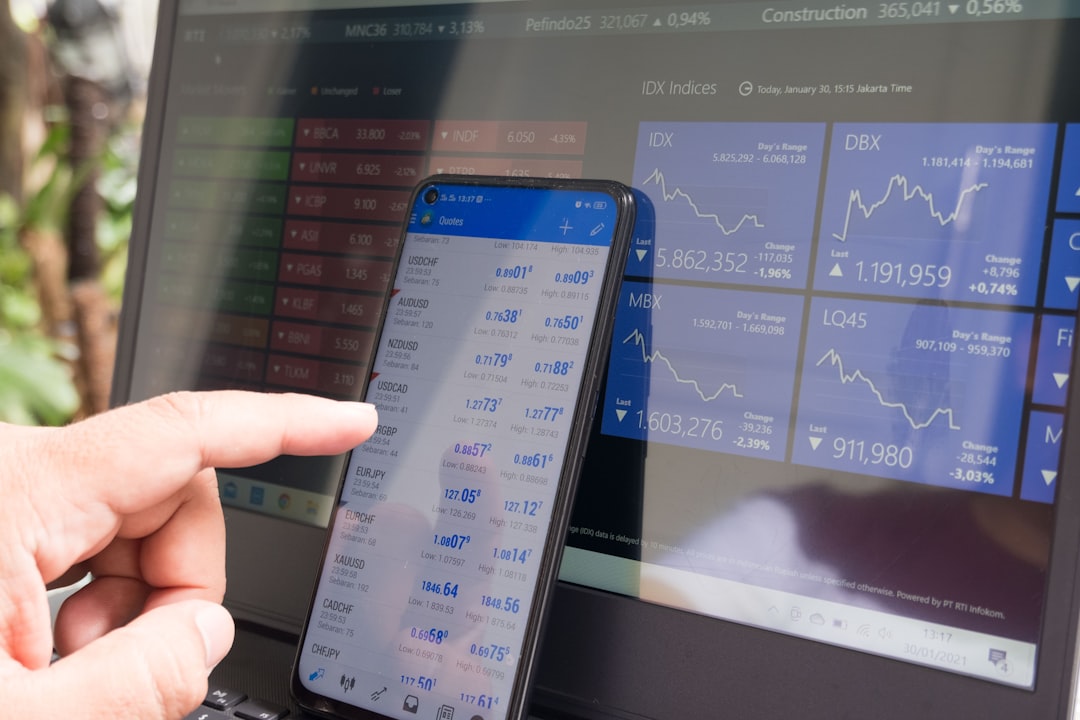
Choosing where to trade currencies can shape how easily a trader studies markets, places orders, and manages positions. With many providers offering similar services, the real differences often show up in platform quality, market access, pricing, execution, and support. When comparing online forex trading brokers, understanding these details is more useful than choosing based on a single attractive feature.
In This Article
- Understanding the Role of a Forex Trading Provider
- Look Beyond the Surface-Level Offering
- Evaluate the Trading Environment, Not Just the Features
- Key Areas That Can Set a Provider Apart
- Consider Market Access and Trading Choice
- Making a More Informed Provider Comparison
- Conclusion
A strong provider should make trading feel organised without unnecessarily complicating the process. It should offer tools that support informed decisions while providing clear account conditions and reliable market access. Looking closely at these qualities helps traders understand what separates an ordinary provider from one that can support a practical trading experience.
Understanding the Role of a Forex Trading Provider
A forex provider gives traders access to currency markets through an account and platform. Its role can involve providing currency pairs, market prices, order execution, and analysis tools. Service quality affects how easily traders interact with markets.
A strong provider brings these elements together clearly. Instead of focusing only on currency-pair numbers, traders should consider access to information, order management, position monitoring, and analytical features. This broader view creates a better foundation for comparing providers.
Look Beyond the Surface-Level Offering
A provider may advertise competitive conditions, technology, or broad market access, but traders should assess how these features work together. A useful comparison considers account requirements, spreads, commissions, execution, platform functionality, and the availability of different trading instruments.
Transparency matters because traders need to understand account conditions before committing funds. Clear information about costs, leverage, order types, trading hours, and account features makes comparison easier. Clear presentation of key details can build confidence.
Pricing that is Easy to Understand
Trading costs can influence the overall experience, particularly when positions are opened and closed frequently. Traders should understand spreads, commissions, and any other applicable charges rather than judging a provider by one advertised figure. Clear pricing helps users compare accounts according to their own trading approach.
Reliable Order Execution
Execution is another key differentiator. When traders enter or exit a position, they need an environment designed to process orders efficiently. Execution quality matters during fast market movement, when prices can change quickly.
Useful Trading Technology
Technology should serve a practical purpose, not simply add complexity. Strong platforms can combine charts, indicators, market information, order management, and position monitoring in one environment. These tools help traders study conditions and manage activity from one interface.
Flexible Access Across Devices
Trading habits vary by user and situation. Desktop access may suit detailed analysis, while mobile or web access can provide convenience when traders need to monitor positions away from a computer. Device flexibility can make a provider more practical.
Helpful Customer Support
Support is valuable when traders need help with account features, platform functions, or service questions. Responsive communication and accessible support channels can reduce uncertainty as users learn a platform. Good support complements technology by helping users navigate the trading environment more effectively.
Evaluate the Trading Environment, Not Just the Features
A long feature list does not automatically create a better trading experience. When comparing an online forex trading broker, traders should focus on whether the available features genuinely improve market access and account management. Traders should consider the platform interface, information flow, order controls, analytical tools, and account accessibility as parts of one complete environment.
The experience should also match the trader’s knowledge and preferred style. Beginners may value straightforward navigation and understandable information, while experienced traders may prioritise advanced charting, faster access to market data, and more detailed order controls. The right balance depends on individual requirements, not the number of features advertised.
Key Areas That Can Set a Provider Apart
A provider’s real value often becomes clearer when traders compare the practical features behind its overall service. Looking at these areas can help identify whether a provider offers the right balance of convenience, transparency, technology, and market access.
These factors also make it easier to compare different providers based on actual trading needs rather than promotional claims alone.
- Clear and transparent account conditions
- Competitive and understandable trading costs
- Efficient order execution and stable technology
- Strong charting and market-analysis tools
- Convenient desktop, web, and mobile access
Comparing these areas together gives traders a more realistic picture of the service. It also helps them distinguish advantages from features that may look impressive but offer little practical value.
Consider Market Access and Trading Choice
Currency trading is not limited to watching one pair or following one market pattern. Traders may compare major, minor, and exotic currency pairs depending on their strategy and risk preferences. A provider with broader market access can give users more opportunities to study different currency relationships.
However, wider choice should not be confused with better suitability. Traders should first understand the markets they intend to follow and then check whether the provider supports those needs. Access to relevant instruments, useful market information, and practical trading tools can make the selection more meaningful.
Making a More Informed Provider Comparison
A thoughtful comparison starts with the trader’s own requirements. Consider preferred currency pairs, expected trading frequency, device usage, analytical needs, account size, and tolerance for trading costs. These factors create a practical checklist that can be used when reviewing different providers.
It is also useful to examine the platform before making a decision. Traders can assess navigation, charting, order placement, account management, and the clarity of available information. Taking this step can reveal whether the service is genuinely convenient and suitable for the intended trading routine.
Conclusion
A forex trading provider stands out when its technology, pricing, execution, market access, platform functionality, and support come together in a clean and practical environment. For traders seeking global forex trading, choosing carefully can help create a more organised approach to market participation.
For those who want a trading provider built around flexible market access and a technology-driven trading experience, AngelSky provides access to forex and multiple other asset classes through MetaTrader 5. With competitive trading conditions, varied account options, advanced trading tools, and platform access across devices, AngelSky gives traders a practical environment to manage their market activity.
Quick Summary
- Forex trading providers offer access to currency markets through an account and platform, which includes currency pairs, market prices, and order execution.
- Traders should assess providers based on the integration of features such as account requirements, spreads, commissions, and platform functionality rather than superficial offerings.
- Pricing transparency, including understanding of spreads, commissions, and charges, is crucial for traders to compare accounts according to their trading approach.
- Reliable order execution is vital for traders, especially during volatile market conditions, where prices can change rapidly.
- Technology in trading platforms should enhance usability by integrating charts, indicators, and order management within a single interface to aid in market analysis.
- Customer support is important for addressing user queries effectively, and responsive communication can facilitate better navigation of the trading environment.
About the Author