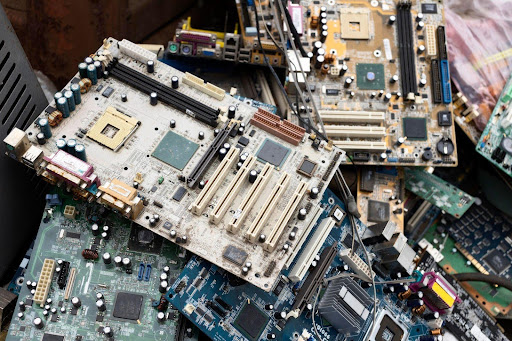
Managing retired technology is no longer a simple operational task; it is now a crucial part of corporate governance, data protection, and sustainability planning. As organizations scale, upgrade systems, and transition to cloud or hybrid infrastructures, outdated devices accumulate quietly.
Many companies underestimate the potential harm created by improper handling, storage, or old IT equipment disposal practices involving legacy hardware. The oversight may appear minor at first, but the consequences can escalate into serious security breaches, environmental liabilities, and financial losses. With digital transformation advancing globally, responsible lifecycle management of retired equipment is now a business essential rather than an optional practice.
The topic deserves thoughtful attention, especially as regulations tighten and stakeholders expect responsible operations. Now more than ever, businesses must rethink how they approach the disposal, ensuring decisions align with compliance, ethics, and future-proofed operational standards.
1. Data Exposure Risks and Confidential Information Vulnerabilities
Improper disposal of business hardware often leaves recoverable traces of data that can be exploited. Protecting sensitive information must be a priority.
- Residual Data Remains Even After Reset
Basic formatting or deletion rarely eliminates all stored data, leaving fragments that can be recovered with advanced tools.
This creates risk by exposing confidential material such as internal files, financial records, and intellectual property. - Cybersecurity Threats Expand Beyond Active Systems
Discarded hardware can serve as an entry point for cybercriminals seeking access without confronting live system defenses.
Without secure disposal, legacy equipment becomes an overlooked yet highly accessible security gap. - Reputational Damage from a Single Breach
Data exposure, even isolated, can significantly harm customer confidence and stakeholder relationships.
Restoration of trust requires time, investment, and corrective measures that often carry long-term financial consequences. - Regulatory Penalties for Mishandled Data
Failing to responsibly manage sensitive information during equipment retirement may constitute legal non-compliance.
Resulting penalties may include fines, sanctions, and increased regulatory scrutiny, especially for high-risk industries.
2. Compliance Challenges and Legal Accountability
Corporate responsibility extends to the final stage of hardware lifecycle management. With strict security and environmental mandates, organizations must follow structured disposal procedures.
- Local and International Regulations Are Expanding
Compliance expectations now require organizations to treat hardware disposal as an extension of data protection and security.
Failure to meet these standards can trigger regulatory action, fines, or limitations on operational activities. - Mandatory Proof of Destruction or Sanitization
Certificates, chain-of-custody tracking, and verifiable destruction records ensure equipment is processed securely and transparently.
These documented steps protect organizations during audits, legal reviews, or compliance inspections. - Liability Remains Even After Disposal
If improperly handled assets reappear with recoverable data, the original owner remains legally and financially accountable.
This responsibility applies regardless of subcontracted handlers, outsourced vendors, or logistical partners involved. - Industry-Specific Rules Require Precision
Fields such as healthcare, government, and finance enforce strict disposal controls due to the nature of sensitive data handled.
Adhering to specialized protocols ensures compliance and reduces risk for highly regulated environments.
3. Environmental and Sustainability Concerns
Electronic waste is one of the fastest-growing global waste streams. Improperly discarded hardware contributes to significant ecological harm.
- Toxic Substances Threaten Soil and Water
Many electronic components contain hazardous materials such as lead, cadmium, and mercury that pose long-term environmental risks.
When improperly discarded in landfills, these toxins gradually seep into soil and water systems, harming ecosystems and human health. - Responsible Recycling Reduces Carbon Footprint
Recycling recovers valuable metals and components, minimizing the need for new resource extraction and manufacturing.
This approach supports sustainability goals while lowering emissions associated with raw material processing and production. - Circular Economy Practices Create Long-Term Value
Extending the lifespan of functional components through reuse or refurbishment contributes to resource efficiency and waste reduction.
These practices transform disposal into opportunity, supporting financial savings and environmental resilience. - Public Expectations of Corporate Responsibility Are Growing
Organizations are increasingly assessed based on their environmental commitment and transparency in waste management practices.
Demonstrating responsible action strengthens brand reputation and contributes to stronger ESG performance benchmarks.
4. Lost Financial Value and Strategic Waste of Assets
Improper handling not only creates risk it also eliminates value that can otherwise be recovered through structured management.
- Retired Devices Often Contain Reusable Components
Many outdated systems still include valuable processors, memory modules, or recoverable metals.
Without proper evaluation and processing, these usable parts are lost as waste instead of contributing to resource recovery. - Buy-Back and Refurbish Programs Offset Upgrade Costs
Structured programs allow businesses to redeem financial value from old hardware rather than absorbing full replacement costs.
This approach supports financial efficiency while promoting responsible lifecycle management. - Inventory Mismanagement Leads to Unnecessary Purchases
Lack of tracking or structured oversight can result in duplicate equipment orders and avoidable spending.
Proper disposal and asset visibility ensure informed decision-making and cost-effective equipment planning. - Secure Repurposing Supports Budget Efficiency
When devices are safely restored and reassigned internally, organizations extend asset value with minimal investment.
This practice aligns operational savings with compliance, data governance, and long-term resource optimization.
5. Operational Efficiency and Corporate Risk Planning
A structured retirement strategy strengthens operational resilience and improves governance.
- Lifecycle Planning Prevents Storage Overflow and Mismanagement
Abandoned or outdated devices take up valuable space and create operational inefficiencies across storage environments.
Proper planning ensures timely processing, reduces unnecessary accumulation, and supports smoother audits and inventory management. - Defined Procedures Reduce Mistakes and Improvisation
Clear protocols help teams follow secure and compliant disposal methods instead of relying on guesswork.
This minimizes errors, ensures accountability, and maintains a standardized approach across the organization. - Disposal Strategy Reinforces Cybersecurity Frameworks
Secure retirement processes close potential entry points that outdated equipment may leave exposed.
By integrating disposal into cybersecurity policies, organizations maintain stronger protection against data breaches and misuse. - Proactive Thinking Supports Future Digital Growth
Scalable processes ensure disposal practices evolve with the organization’s technological landscape and operational expansion.
This forward-thinking approach preserves data integrity, system order, and long-term governance efficiency.
Conclusion
Improper management of retired technology becomes costly when overlooked, from data exposure and regulatory penalties to environmental harm and missed financial value. A thoughtful and structured approach to old IT equipment disposal supports security, sustainability, and operational excellence. As compliance standards evolve and digital footprints expand, responsible disposal practices are no longer optional; they are an integral part of modern business strategy.
Organizations seeking secure, compliant, and environmentally responsible solutions can explore support options at Planet Green Recycling (L.L.C.), where specialized expertise ensures safe, sustainable, and accountable handling throughout every stage of the disposal lifecycle.
About the Author