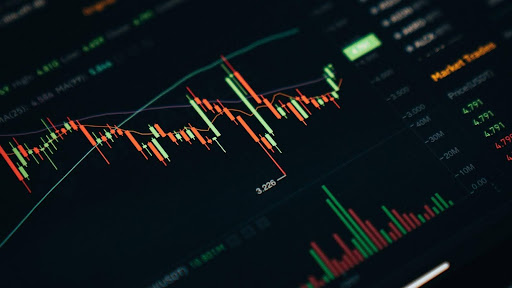
The financial markets have evolved faster in the last decade than in the several decades before it. Technology, accessibility, and global connectivity have completely reshaped how individuals buy and sell financial instruments. Today, millions of new participants enter markets through digital platforms, and many begin their investment journey through the world of online trading. While this digital convenience opens doors to massive opportunity, it also brings responsibility, because success in trading requires more than just placing buy or sell orders. It demands strategy, knowledge, discipline, and awareness of the risks and traps that exist within the market ecosystem. To level up your trading journey, it’s important to understand how legitimate trading functions, how illegal alternatives manipulate participants, and what every trader should know before investing their money.
The New Era of Trading and What Makes It So Powerful
Financial markets today operate with unmatched speed. Real-time data, advanced charting, algorithmic execution, and highly intuitive trading apps have made participation easier than ever. Unlike older generations who depended on phone-based orders and physical brokers, modern traders can execute trades instantly from a mobile device or laptop. This shift has created a more informed and independent trading population.
Why the Modern Trading Landscape is Thriving
Accessibility for Everyone
Whether you are a student, working professional, or seasoned investor, today’s platforms bridge all gaps. Opening a trading account is simple, quick, and paperless.
Technological Advancements
High-speed order execution, data-backed screeners, robust technical indicators, and AI-driven tools help traders make faster and smarter decisions.
Diverse Financial Instruments
Equity, derivatives, commodities, currencies, ETFs, bonds, markets today offer multiple avenues to build wealth, hedge risks, or diversify portfolios.
Greater Market Awareness
Social media, financial influencers, educational platforms, and trading communities have sparked a new generation of informed traders who understand market basics much more quickly.
However, this rise in mainstream participation has also attracted risks, frauds, and illegal systems masquerading as real trading platforms.
Understanding Fraudulent Trading Models and Their Dangers
Some trading setups may resemble real market environments but operate differently from standard, fully regulated platforms. These models often create an impression of authentic price movement and active participation, yet their internal mechanisms function independently. Many traders, especially beginners, may compare these systems to familiar methods, including modern tools, traditional practices, or forms like dabba trading online, without understanding how each structure works. This lack of clarity is what often leads to confusion or misplaced expectations in the trading world.
Why Traders Fall Into These Traps
1. Lack of Awareness About Regulated Markets
A large number of new traders enter the financial world with limited understanding of how market structures work. They may not clearly differentiate between regulated setups, alternative systems, or older market practices. Because everything appears similar on the surface, price movement, profit potential, and quick executions, traders assume all platforms function equally. This knowledge gap makes individuals more likely to trust models they do not fully understand, simply because they seem easy to use or appear similar to well-known trading environments.
2. The Desire for Quick Profits
Most new traders are attracted to methods that promise rapid results. Fast profits, simplified entry points, and easy access make many systems appealing. When individuals see others gaining from certain approaches, they often want to replicate the same success. This desire for speed can overshadow the need for evaluation, research, and structured decision-making. As a result, traders may walk into trading environments that they did not fully compare, verify, or analyze, simply because the promise of immediate rewards feels more exciting.
3. Peer Influence and Community Pressure
Friends, colleagues, or local groups often play a strong role in shaping financial behavior. When traders hear that someone they know is using a particular system, traditional, modern, online, or alternative, they tend to trust it instinctively. Social reassurance creates a sense of comfort and reduces hesitation. Because of this community-driven influence, traders may join platforms or models they do not fully explore themselves. Word-of-mouth experiences frequently guide choices, especially among beginners who seek familiarity and support.
How to Trade Safely, Smartly, and Confidently
1. Choose Platforms That Match Your Needs
Every trader has different requirements,some prefer advanced charting, some want fast execution, while others look for easy interfaces. Selecting a platform that aligns with your trading style is essential. Whether it’s a modern online interface, a traditional method, or systems like dabba trading online, traders should ensure the environment suits their goals and comfort level. Matching your trading personality with the right setup leads to better decisions, improved consistency, and a smoother trading experience overall.
2. Learn Market Basics & Technical Skills
Trading becomes far more effective when you understand price action, chart patterns, indicators, and market behavior. These foundational skills help traders interpret markets intelligently rather than acting on emotion. A strong grasp of technical concepts allows individuals to make informed decisions across any system they choose to participate in. With clearer understanding, traders can identify opportunities, manage entries and exits, and build discipline, key components in achieving long-term success.
3. Build a Strategy and Use Risk Management
A structured trading plan brings stability. Whether you trade intraday setups, swing entries, breakouts, or trends, having a tested strategy helps maintain consistency. Along with a strategy, risk management tools such as stop-loss placement, capital allocation, and position sizing protect traders from unexpected market movements. When discipline and planning come together, traders are better equipped to handle fluctuations, avoid impulsive decisions, and perform more confidently in any trading environment.
Conclusion
As you move forward in your trading journey, focusing on structured decision-making, knowledge-building, and well-planned execution becomes essential. Whether you explore modern platforms, traditional styles, or systems like dabba trading online, your long-term success depends on discipline, clarity, and continuous improvement.
In the broader landscape of stock trading, developing strong analytical skills and staying informed will always place you ahead of the crowd.
For added guidance, MarketTrade offers real-time insights, simplified market education, and support designed to strengthen your path as a trader. Their services help traders understand trends, refine strategies, and make more confident trading decisions.
About the Author