Introduction
Health-care education requires more than classroom theory. Nursing and medical students need opportunities to practise clinical procedures, become familiar with medical supplies, and develop confidence before working with real patients. Simu sterile water vials can support this type of hands-on education by providing realistic practice materials for health-care simulation and skills training.
What Are Simu Sterile Water Vials?
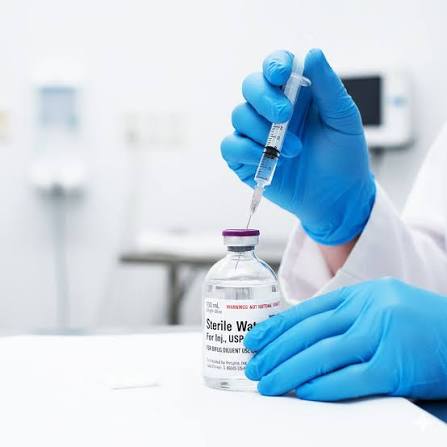
Simu sterile water vials are simulation products designed to resemble medication or fluid vials used in clinical environments. They let students practise proper handling and preparation techniques without using actual medications during training exercises.
These products can be particularly useful in nursing schools, health-care simulation centers, and clinical skills laboratories where educators want students to experience realistic scenarios in a controlled environment.
Supporting Realistic Medication Training
Medication administration involves several steps that health-care professionals must perform carefully. Students need to become familiar with reading vial labels, handling containers, preparing equipment, and following appropriate procedures.
Simu sterile water vials can help educators create realistic practice scenarios involving:
1. Vial handling:
Students can practise holding, inspecting, and preparing vials as part of simulated clinical procedures.
2. Medication preparation:
Training exercises can demonstrate how supplies are organized before a medication-related procedure.
3. Aseptic technique practice:
Students can practise appropriate infection-control behaviors during simulated preparation activities.
4. Equipment familiarity:
Learners can become more comfortable working with syringes, needles, alcohol wipes, and other commonly used supplies.
Building Student Confidence
Health-care students may initially feel nervous when performing unfamiliar procedures. Repeated practice in a simulation environment can help them become more comfortable with clinical equipment and established procedures.
Using simulation vials allows students to practise without the pressure associated with treating an actual patient. Educators can observe their performance, identify areas that require improvement, and provide feedback before students encounter similar tasks in clinical settings.
Creating Realistic Simulation Scenarios
One of the major advantages of simulation-based education is the ability to recreate different clinical situations. Simu sterile water vials can be incorporated into scenarios that require students to identify supplies, prepare equipment, and follow a sequence of clinical steps.
For example, instructors can develop exercises around:
1. Routine medication preparation:
Students can practise organizing the supplies needed for a simulated medication procedure.
2. Clinical decision-making:
Educators can create scenarios that require students to review instructions and determine the appropriate preparation steps.
3. Team-based training:
Multiple students can work together while practising communication and clinical responsibilities.
4. Skills assessment:
Instructors can use simulated procedures to evaluate students’ technique and adherence to established protocols.
Benefits for Health-care Educators
Simulation products can also make skills-lab instruction more structured and repeatable. Educators can use consistent supplies across different classes, making it easier to create standardized learning activities.
Key benefits include:
1. Repeatable practice:
Students can repeat procedures until they become more familiar with the process.
2. Controlled learning:
Educators can introduce procedures without exposing learners to unnecessary clinical risks.
3. Better preparation:
Students can gain practical experience before entering real health-care environments.
4. Efficient instruction:
Standardized simulation supplies can simplify the preparation of skills-lab activities.
Conclusion
Simu sterile water vials can be valuable tools for health-care training because they help connect theoretical knowledge with hands-on practice. Regular simulation practice can help learners develop greater familiarity and confidence as they prepare for real-world patient care.
About the Author