The idea of training your brain to work more efficiently might sound like science fiction, but it’s now a reality you can explore from the comfort of your own home. Neurofeedback, a non-invasive therapy that helps you regulate your brain activity, has moved beyond the clinic and into the hands of individuals seeking to improve focus, reduce stress, and enhance cognitive performance. This guide will walk you through the essential techniques and tools for how to do neurofeedback at home, helping you understand the process and empowering you to start your own brain training journey.
Understanding Neurofeedback: The Science Behind the Waves
What is Neurofeedback and How Does It Work?
Neurofeedback, also known as EEG biofeedback, is an alternative healing method that aims to optimize mental functioning through monitoring real-time cerebral activity. Employing sophisticated hardware permitting observation of specific brainwave patterns, neurofeedback enables individuals to gain awareness of their typical neural processes. This innovative approach grants users ability to learn modulation of their brain activity, thereby enhancing psychological and emotional well-being.
At the core of neurofeedback lies its capacity for feedback through an electroencephalograph, detecting live electrical signals in the brain. This information is then translated into ocular or auditory cues, instantly representing one’s brainwaves. Through assorted conditioning exercises, clients receive reinforcement, assisting alteration of brain functioning toward more desirable states. For example, a client attempting to decrease anxiety will recognize patterns tied to that anxiety and alter them to promote relaxation and focus instead. Capitalizing on neuroplasticity, this technique relies on the brain’s ability to restructure itself by forming novel neural connections.
Brainwaves Explained: A Closer Look at EEG Frequencies
Understanding the ebbs and flows of brainwaves holds profound significance for grasping neurofeedback’s true potential. Brainwaves manifest in diverse frequencies, each correlated with unique states of awareness and cerebral capacities. Principal among these are delta rhythms (0.5-4 Hz), lulling waves (4-8 Hz), observant alpha (8-12 Hz), dynamic beta (12-30 Hz), and illuminating gamma (30 Hz and above). Delta dominate during deep slumber, while theta typify light sleep and serenity. Alpha are allied to stillness and inventive pondering, beta are aligned with sharp thinking and problem-solving, and gamma are related to peak cognition and information handling.
Neurofeedback routines are often engineered to help persons bolster explicit brainwave designs to enhance intellectual aptitudes, emotional regulation, and overall mental health. For instance, if an individual wrestling with ADHD displays excessive theta activity (a state commonly affiliated with absentmindedness) and inadequate beta activity (linked to focus and alertness), neurofeedback can lead them in increasing beta waves while reducing theta waves, culminating in improved attention spans and cerebral function.
The Role of Neuroplasticity in Home Neurofeedback
Neuroplasticity epitomizes the brain’s remarkable pliancy to reinvent and mold as an upshot of undergoings, and it plays a vital role in the prosperity of neurofeedback. This marvel is fundamental for understanding how neurofeedback can guide to enduring modifications in mental execution and emotional firmness. Through consistent preparation and good prodding, clients can rewire their brain’s ingrained responses and foster more salutary blueprints of thinking and behavior.
At home, neurofeedback preparation motivates clients to actively participate regularly with their brainwave designs, thereby enhancing the probabilities of evolution innovative, gainful routes in the brain. With a dedication to exercise, persons can witness advancements in areas such as emotional resilience, concentration supervision, and stress handling. Neuroplasticity not just bolsters the adaptability of the brain but too reinforces the likely for improving cognitive talents and emotional assets, rendering neurofeedback a mighty tool for self-amelioration.
Setting the Stage: Creating Your Ideal Neurofeedback Environment
Choosing the Right Space: Lighting, Comfort, and Focus
Creating a conducive environment for neurofeedback at home is crucial for maximizing its effectiveness. The space you select should be comfortable, quiet, and free from distractions. A well-lit room with an atmosphere conducive to relaxation can enhance focus during sessions. Natural light or soft artificial lighting is often best, as harsh lights can be overstimulating and detract from the calming experience you want to create.
In addition to lighting, comfort is key. A comfortable chair or a cozy area where you can sit undisturbed will help maintain focus and relaxation during your neurofeedback sessions. If possible, add elements that promote a sense of security and tranquility, such as calming paintings, plants, or soft textiles. Keeping the area temperature-regulated and tidy will further encourage a productive environment. Remember that the goal is to make neurofeedback an enjoyable ritual, associated with personal growth and exploration.
Essential Equipment: What You Need for Home Practice
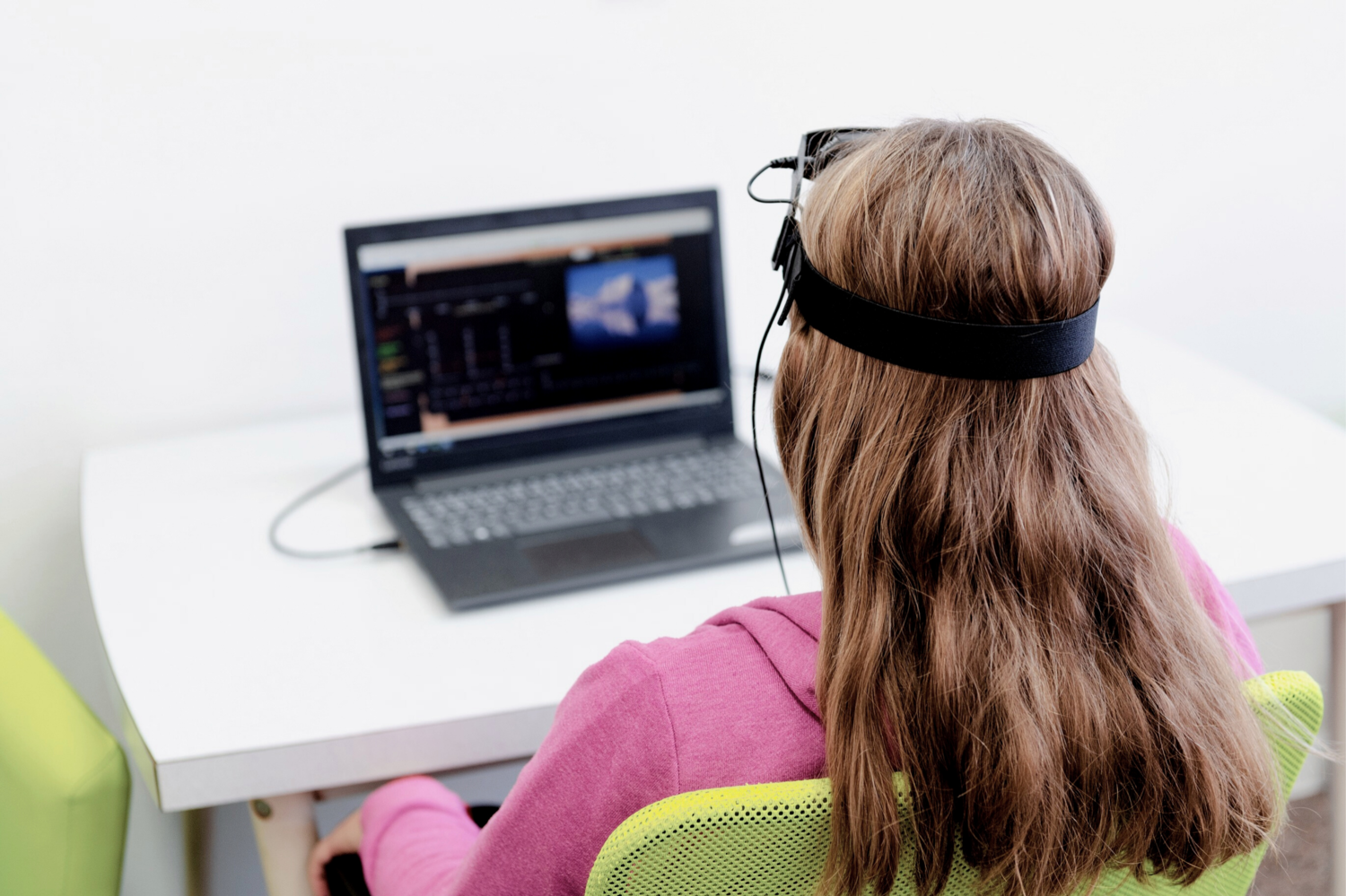
Investing in the right equipment is a fundamental step for an effective neurofeedback practice at home. A high-quality EEG neurofeedback device is paramount; there are several options available, ranging from simple consumer-grade devices to more sophisticated medical-grade systems. Consider your specific needs and budget when making your selection. It’s essential to research reputable brands and read customer reviews to ensure you are acquiring a reliable product.
In addition to the EEG device, you might need supplemental software for training protocols, which can greatly enhance your experience. This software provides a variety of neurofeedback exercises, brain games, and progress tracking tools to help you monitor your improvement over time. Good headphones can enhance the experience if you are using auditory feedback as part of your training routine. It’s also wise to maintain a journal to document your sessions, recording any insights or progress, as this can deepen your understanding of your personal neurofeedback journey.
Establishing a Routine: Integrating Neurofeedback into Your Lifestyle
For neurofeedback to be effective, consistency is vital. Establishing a routine helps integrate neurofeedback into your daily life and sets a reliable practice schedule. Start with short sessions, about 20-30 minutes, and gradually build up as you become more comfortable and familiar with the technology. Aim for a commitment of three to five sessions a week to cultivate lasting changes over time.
Incorporate your neurofeedback practice into a daily ritual, such as meditation or mindfulness exercises, which can complement the effects of your training. Setting a specific time of day for your sessions can also be beneficial, creating a psychological association that reinforces your commitment to the practice. Structural integration into your life may reflect in better mental clarity and emotional regulation, positively impacting other areas, including sleep, productivity, and interpersonal relationships.
Techniques and Protocols: Navigating Your Neurofeedback Journey
Building a Personalized Neurofeedback Protocol
A personalized neurofeedback protocol is crucial for addressing individual needs and achieving optimal results. This process begins by assessing your goals and identifying specific areas for improvement, such as reducing anxiety, enhancing focus, or managing stress. Most EEG devices come with customizable settings that allow you to tailor the feedback to your unique brainwave patterns, ensuring it aligns with your personal objectives.
Professional guidance can be invaluable in this process, particularly if you are new to neurofeedback. Consulting with a certified neurofeedback practitioner may help you understand which frequency bands to target for your needs, as well as how to design training protocols that progressively challenge your brain’s capabilities. Documenting your goals, experiences, and outcomes will help you make adjustments and refine your protocol, aligning your training with your evolving needs and aspirations.
Effective Self-Monitoring: Tracking Your Progress Over Time
Self-monitoring is an essential component of the neurofeedback journey, empowering you to track your progress and recognize the impact of your practice on your mental well-being. Most EEG devices come equipped with built-in tracking and reporting features, allowing you to visualize your brainwave changes and assess improvements over time. Regularly reviewing this data can foster motivation and a sense of accomplishment as you witness tangible results from your effort.
Additionally, creating a personal journal can further enhance your self-monitoring efforts. By recording your thoughts, feelings, and observations after each session, you can identify recurring patterns, triggers, and successful techniques. This reflective process can deepen your self-awareness, providing insight into how your brain’s responses adapt to training. Combining the objective data from your EEG device with personal reflections creates a comprehensive picture of your progress and helps to guide your ongoing neurofeedback practice.
Common Challenges and How to Overcome Them
Engaging in neurofeedback at home may present various challenges, ranging from technical difficulties to personal frustrations with progress. Some individuals may initially struggle to connect with the technology or experience discomfort during sessions. Ensuring that you have a reliable internet connection and thoroughly reading the device’s manual can mitigate technical issues. Joining online forums and engaging with other users may provide additional support and troubleshooting tips.
Emotional resistance is another common hurdle. It is not unusual for individuals to feel impatient or discouraged when progress seems slow or uneven. Remember that neurofeedback is a process, and achieving lasting change takes time and perseverance. Maintaining a positive mindset, celebrating small victories, and staying committed to a regular practice can enhance your confidence and resilience. If frustrations continue, consider seeking guidance from a professional who can offer support and adjust your protocol for optimal effectiveness.
Expanding Your Knowledge: Resources and Communities for Neurofeedback Enthusiasts
The Best Books and Online Courses to Deepen Your Understanding
As neurofeedback gains momentum as a therapeutic tool, a wide array of resources is available for individuals seeking to expand their knowledge. Numerous insightful books go into the science and practice of neurofeedback, offering a combination of theory, practical advice, and user experiences. Classic texts include Neurofeedback 101 by Dr. Anna R. Wise, which simplifies the concepts for beginners, and The Healing Power of Neurofeedback by Dr. Doris J. J. H. Berman, which explores its practical applications for healing various mental health conditions.
Online courses present another excellent avenue for learning. Websites like Coursera and Udemy host specialized courses that can deepen your understanding of neurophysiology, neurofeedback, and brain training techniques. These courses often include video lectures, quizzes, and community discussions that allow for an interactive learning experience. Engaging with structured content can solidify your knowledge and enrich your home practice, making the journey into neurofeedback more informed and effective.
Join the Conversation: Engaging with Neurofeedback Communities
Engaging with neurofeedback communities can enrich your experience by connecting you with others who share similar interests. Numerous online platforms, forums, and social media groups exist where enthusiasts discuss their experiences, challenges, and successes with neurofeedback. Websites like Neurofeedback World and Facebook groups are excellent starting points for building connections and sharing insights with others.
Participating in these communities can also open doors to finding local groups or workshops, enhancing your learning through direct interaction. Sharing your journey, asking questions, and supporting fellow practitioners creates a sense of belonging and may lead to valuable networking opportunities. By collaborating with others, you can gain fresh perspectives, strategies, and encouragement, further enhancing your neurofeedback practice.
Real-life Success Stories: Inspiration from Fellow Practitioners
Success stories from those who have integrated neurofeedback into their lives can serve as powerful motivators and sources of inspiration. Numerous testimonials share how individuals have experienced profound transformations in mental health, cognitive abilities, and emotional regulation as a result of consistent neurofeedback practice. From overcoming anxiety and ADHD to improving memory and overall mood, every story shows the potential of neurofeedback when used thoughtfully and consistently.
These narratives often highlight specific challenges that practitioners faced, alongside strategies that helped them succeed. Sharing personal experiences can demystify the neurofeedback process, showing that progress is both attainable and rewarding. Listening to these stories can ignite hope, especially for newcomers facing uncertainty in their own journeys. Collectively, these experiences contribute to a richer understanding of neurofeedback’s impact, encouraging others to embark on or continue their neurofeedback practices.
About the Author