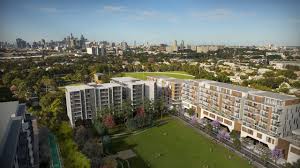
Coronation Property Services operates as an integrated property management and building services platform supporting residential developments across Australia. With a strong focus on long-term asset performance, customer care, and operational efficiency, it plays a key role in managing contemporary housing communities designed for modern urban living. Its approach combines professional management systems with on-site service delivery to ensure consistency, reliability, and high-quality living experiences.
Below is a professionally structured, statistics-style breakdown of its operations presented in a question-and-answer format, highlighting its service strengths and operational framework.
What is the primary function of Coronation Property Services?
The primary function of Coronation Property Services is to manage residential properties and communities that are part of integrated development projects. It oversees leasing, tenant management, building maintenance, and customer support services.
The organisation is designed to ensure smooth transitions from property completion to full occupancy, while maintaining ongoing operational excellence. Its model supports both property owners and tenants by centralising management under one coordinated system.
This structure helps streamline communication and ensures that every property is professionally managed throughout its lifecycle.
How does the property management system operate?
The property management system focuses on delivering consistent rental performance and tenant satisfaction. Dedicated professionals manage leasing processes, tenant screening, rent collection, and ongoing rental reviews.
One of the key strengths is the use of on-site teams who are familiar with each building’s operational requirements. These teams ensure that tenants receive timely support while property owners benefit from informed rental strategies based on local market conditions.
This approach enhances efficiency and ensures that properties remain competitive in the rental market.
What role does building management play in residential developments?
Building management is a central component of the service framework, ensuring that residential buildings are maintained to high standards. On-site building managers are responsible for overseeing day-to-day operations, monitoring shared spaces, and coordinating maintenance activities.
This includes responding to resident concerns, ensuring cleanliness standards, and managing building safety protocols. The presence of dedicated personnel helps maintain operational consistency and supports long-term asset preservation.
By embedding management within the building itself, service response times are improved and overall resident satisfaction is enhanced.
How is maintenance and defect resolution handled?
A structured defect management process is implemented to ensure that all building-related issues are tracked and resolved efficiently. Residents and owners can report maintenance concerns through a centralised digital system.
Once an issue is logged, it is reviewed and coordinated with relevant construction and maintenance teams for timely resolution. This ensures accountability and helps maintain high construction standards across all developments.
The system is designed to protect the long-term quality of properties while minimising inconvenience for residents.
What technology supports service delivery?
Technology plays a key role in enhancing communication and operational efficiency. A cloud-based platform is used to manage communication between residents, building managers, and administrative teams.
This system allows users to submit requests, track updates, and access property-related information in real time. It improves transparency and ensures that service requests are handled in an organised and timely manner.
By digitising operations, the service model becomes more responsive and data-driven, supporting better decision-making across property portfolios.
How does the service model benefit property owners?
Property owners benefit from a fully integrated management structure that reduces the complexity of property investment. The system handles tenant sourcing, rental optimisation, maintenance coordination, and compliance management.
Regular rental assessments help ensure that properties remain aligned with current market trends, supporting consistent rental income. Additionally, professional oversight reduces vacancy risks and enhances asset stability.
This end-to-end management approach allows owners to focus on investment performance while operational tasks are handled by experienced teams.
What advantages do residents experience within managed communities?
Residents benefit from a well-structured living environment supported by responsive management and maintained facilities. On-site teams ensure that issues are addressed quickly, contributing to a more comfortable and reliable living experience.
Digital service access further enhances convenience, allowing residents to communicate with management and request support efficiently. Shared amenities and well-maintained communal spaces also contribute to improved lifestyle quality.
The overall system is designed to promote long-term tenancy satisfaction and community stability.
Conclusion
Coronation Property Services demonstrates a structured and professional approach to residential property and building management. Through integrated systems, on-site operational teams, and digital service platforms, it delivers consistent value to both property owners and residents.
Its model is built around efficiency, transparency, and long-term asset performance, ensuring that residential communities remain well-managed and sustainably maintained. As urban housing continues to evolve, such integrated service frameworks play an increasingly important role in shaping modern, high-quality living environments.
About the Author