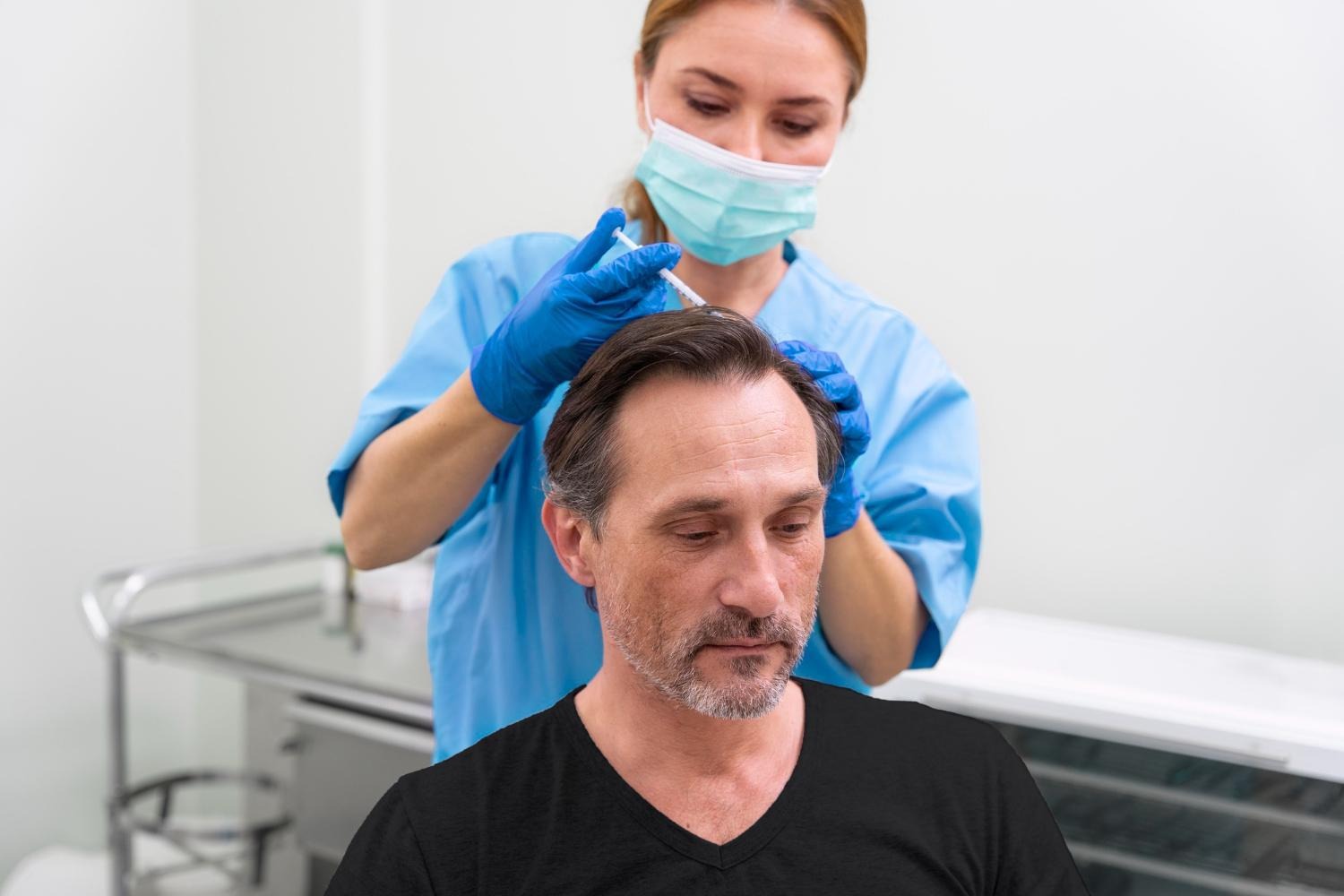
Hair restoration has evolved into a refined medical procedure that focuses on precision, comfort, and outcomes that blend naturally with existing hair. Rather than relying on outdated methods, modern treatments emphasize individualized planning, advanced graft handling, and careful placement that complements facial proportions. Toward the end of this introduction, many individuals exploring hair transplants in Dubai seek clinics that combine medical expertise with techniques designed to preserve a natural appearance.
Every stage of the process begins with understanding the individual’s pattern of hair loss, donor hair quality, scalp condition, and long-term expectations. Instead of offering a one-size-fits-all solution, experienced specialists create a customized treatment strategy that supports balanced density while considering future hair preservation. This patient-centered approach contributes to results that continue to look appropriate as hair naturally changes over time.
Why Personalized Planning Produces Better Long-Term Results
Hair restoration succeeds when planning extends beyond the procedure itself. Specialists evaluate the direction of natural hair growth, the shape of the hairline, available donor follicles, and the likelihood of future thinning. These details help create a design that remains proportionate and realistic for years rather than only addressing immediate cosmetic concerns.
Careful consultation also provides an opportunity to discuss medical history, lifestyle, recovery expectations, and treatment goals. By combining clinical assessment with open communication, patients receive recommendations suited to their specific needs instead of unnecessary procedures. This thoughtful preparation reduces uncertainty while establishing realistic expectations before treatment begins.
Understanding Hairline Design
Creating a natural-looking hairline requires artistic judgment alongside surgical precision. The position, curve, density, and irregularity of the hairline are carefully planned to match facial structure rather than following a fixed template. Every graft contributes to an appearance that blends smoothly with existing hair.
Evaluating Donor Hair Quality
The donor region determines how many healthy follicular units can be safely transferred without affecting overall appearance. Specialists assess density, follicle strength, hair texture, and scalp flexibility before recommending an appropriate treatment plan that protects both donor and recipient areas.
Considering Future Hair Loss
Progressive hair loss can continue even after a successful transplant. Planning for future changes allows specialists to preserve donor resources while designing results that remain balanced if additional thinning develops over time.
Setting Practical Expectations
Open discussions help patients understand expected density, recovery stages, hair growth timelines, and maintenance recommendations. Clear communication creates confidence while ensuring that treatment goals remain medically achievable.
Modern Techniques Focus on Precision and Follicle Protection
Current transplantation methods prioritize careful extraction, preservation, and implantation of every healthy follicle. Advanced instruments reduce unnecessary tissue trauma while supporting higher graft survival throughout the procedure. The emphasis remains on maintaining follicle integrity from extraction until placement.
Equally important is the experience of the medical team performing each stage. Precise handling, controlled implantation angles, and organized graft management all influence the final outcome. Attention to these details supports natural growth patterns while helping transplanted follicles establish successfully.
Modern follicular implantation techniques continue to improve procedural accuracy, allowing surgeons to place grafts with greater control while respecting existing hair and natural growth direction.
Benefits of advanced transplantation methods include:
- Precise graft placement that follows natural hair orientation
- Reduced handling of delicate follicular units
- Improved preservation of donor hair
- Consistent density distribution across treated areas
- Shorter recovery compared with older surgical approaches
Factors That Influence Natural-Looking Results
Several elements work together to determine the overall appearance after transplantation. Hair thickness, curl pattern, color contrast between hair and scalp, donor availability, and recipient area size all influence treatment planning. Specialists evaluate each factor before deciding how grafts should be distributed.
Another important consideration involves creating gradual transitions rather than uniform density across the entire treatment zone. Natural hair does not grow in perfectly straight lines or identical spacing. Strategic placement helps reproduce this organic pattern while maintaining harmony with surrounding hair.
Key considerations during treatment planning include:
- Facial proportions and age-appropriate hairline placement
- Existing hair density surrounding the transplant area
- Donor hair characteristics and availability
- Long-term preservation of donor resources
- Overall aesthetic balance instead of maximum density alone
Recovery Requires Patience and Consistent Care
Recovery progresses in stages, making proper aftercare an essential part of achieving lasting results. Patients usually receive detailed instructions covering scalp hygiene, sleeping position, physical activity, and follow-up appointments. Following these recommendations supports healthy healing while protecting newly implanted follicles during the early recovery period.
Visible changes occur gradually rather than immediately. Transplanted hairs often shed during the first few weeks before entering a natural growth cycle. New growth typically develops over the following months, with continued improvement in density and texture as follicles mature. Consistency with post-procedure care contributes to a smoother recovery experience and more predictable outcomes.
Supporting Hair Health Beyond the Procedure
A transplant restores hair to areas affected by thinning, but maintaining overall scalp health remains equally important. Physicians may recommend complementary therapies based on individual needs, helping preserve existing hair while supporting the long-term success of the procedure. These recommendations vary according to the cause and progression of hair loss.
Lifestyle choices also influence hair wellness. Balanced nutrition, proper scalp care, stress management, and routine medical follow-ups can help maintain healthy follicles. When these practices are combined with professional guidance, individuals are better positioned to protect both transplanted and existing hair over time.
Long-term hair care often includes:
- Routine scalp assessments with the treating specialist
- Recommended medical therapies when appropriate
- Nutritious eating habits that support healthy hair growth
- Gentle hair care products suitable for the scalp
- Consistent follow-up visits to monitor progress
Final Thoughts
Looking for a hair restoration solution that prioritizes natural-looking results instead of a one-size-fits-all approach? The right combination of surgical expertise, individualized planning, and advanced technology can make a meaningful difference throughout the treatment journey. For those seeking comprehensive care, Cutis International offers specialized hair restoration services, including Hair transplant without shaving, alongside modern techniques such as Sapphire FUE, Bio Sapphire Hair Transplant, Long Hair Transplantation, PRP, GFC, and Exosome Therapy. Every treatment plan is tailored to the patient’s unique hair characteristics and long-term goals, helping achieve balanced, natural results with professional guidance from consultation through recovery.
About the Author