Fire Alarm Maintenance That Keeps Your System Ready
A fire alarm system is only effective if it functions properly in an emergency. While having a fire alarm installed is a crucial first step in protecting people and property, regular maintenance is what ensures the system is always ready to respond. fire alarm maintenance is not just a recommended practice — it is a legal and safety requirement for both residential and commercial properties. Ongoing inspection, testing, and servicing are essential to avoid malfunctions and false alarms and to guarantee a rapid response when it matters most.
Why Fire Alarm Maintenance Is Essential
Fire alarms are designed to detect smoke, heat, or flames and provide early warning to occupants. Over time, environmental factors such as dust, humidity, temperature changes, and general wear and tear can affect the sensitivity and reliability of the system.
Regular maintenance helps to:
- Ensure sensors and detectors remain accurate
- Prevent false alarms caused by dirt or system faults
- Extend the lifespan of the fire alarm components
- Identify issues before they become dangerous
- Meet legal and insurance requirements
A neglected fire alarm system can fail without warning, putting lives and property at risk. That’s why proactive maintenance is a critical part of fire safety planning.
What’s Included in Fire Alarm Maintenance
A thorough fire alarm maintenance routine covers several important steps. These should be carried out according to the manufacturer’s guidelines and local fire safety regulations.
- Visual inspection: All alarm components, including detectors, sounders, control panels, and manual call points, should be checked for signs of damage or obstruction.
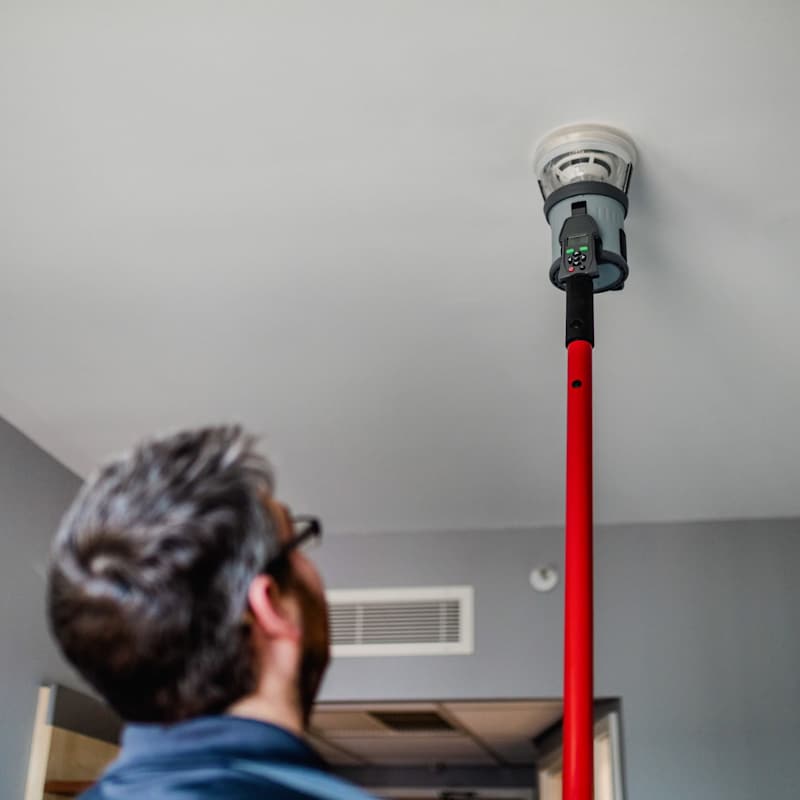
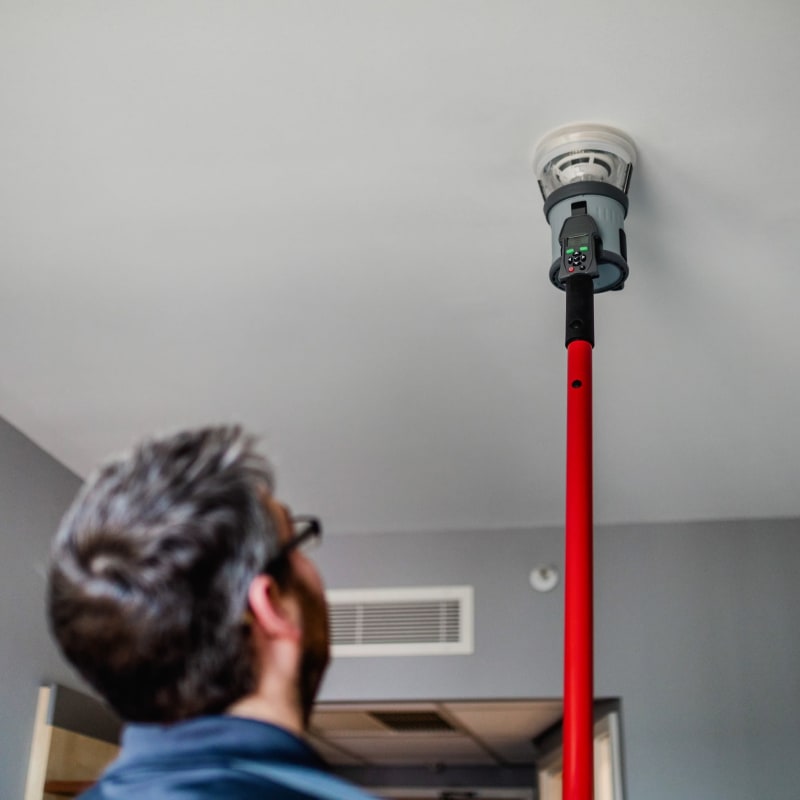
- Functional testing: Each alarm point is activated to ensure it triggers correctly and that signals are sent to the control panel.
- Battery check: Backup batteries are tested to confirm they can power the system during a power failure.
- System reset and report: After testing, the system is reset and a maintenance log is updated for compliance purposes.
- Cleaning and calibration: Dust or debris is removed from sensors, and calibration is performed if needed to maintain sensitivity.
Some properties may also require testing of interlinked systems such as emergency lighting, sprinkler systems, or alerting devices for people with hearing impairments.
Frequency of Maintenance Checks
The frequency of maintenance depends on the type of property and the system installed. However, most safety standards recommend:
- Weekly user checks: A quick check by the responsible person to test one call point or detector, ensuring the control panel responds.
- Monthly visual checks: Ensuring all indicators and connections are intact.
- Bi-annual professional inspection: A certified technician should inspect and service the system at least twice a year for commercial properties.
- Annual servicing: Residential properties should have their systems professionally tested and cleaned once a year.
Keeping a written record of all maintenance activities is vital for inspections, audits, and legal protection.
Signs Your System May Need Immediate Attention
Sometimes, a fire alarm system may show signs that it needs maintenance even between scheduled checks. Watch for:
- Frequent false alarms
- Beeping or flashing on control panels
- Unresponsive manual call points
- Damage to detectors or wiring
- Low battery warnings
Addressing these signs immediately helps maintain readiness and reduces the risk of system failure.
Legal Responsibilities and Compliance
Property owners, landlords, and business managers have a legal obligation to maintain fire alarm systems. Failure to comply with safety regulations can lead to fines, insurance issues, or even criminal liability in the event of a fire.
Regular maintenance ensures you meet local building codes and fire safety laws. It also protects occupants and gives peace of mind that your property is secure.
Conclusion
Fire alarm maintenance is a simple but vital task that keeps your system ready to perform in emergencies. Regular checks, prompt repairs, and professional servicing ensure that every part of the system functions as expected when seconds count. By staying proactive, you protect lives, meet legal requirements, and ensure that your fire alarm system is always ready when you need it most.
About the Author