Battling the Buzz: The Need for Acoustic Tranquility
In our linked and metropolitan world, noise is almost constant. Our productivity, leisure, and well-being might all be impacted by noise from traffic, a neighboring company, or a busy family. One stressor that could compromise concentrate, sleep, or quality of life is noise pollution. Making places where one may escape this continuous aural bombardment becomes a necessary. While ceilings and walls are vital, doors—especially glass ones—are weak points in the acoustic defenses of a structure. Creative ideas are required, and a top choice for soundproofing without sacrificing natural light or aesthetics is double glass doors with a Polyvinyl Butyral (PVB) interlayer. This page explains how this design makes glass doors noise-proof using PVB’s special properties.
Appreciating the PVB Advantage Outside the Panes
How different are Double glass with PVB doors from standard glass doors or double glazing? Like double-glazed windows, this method has two glass panes separated by a frame usually with a sealed air or gas-filled gap. The main variation is in one or both glass panes. Laminated glass sheets are used. Under heat and pressure, this laminating process firmly binds a thin, flexible Polyvinyl Butyral (PVB) interlayer between two or more glass pieces. The PVB film forms a composite structure by tightly adhering itself to the glass surfaces. Laminated glass creates either the inner or outer pane of a double-glazed window. Part of the double-glazed door system, the PVB is sandwiched between the glass layers and forms a robust, multi-layered panel. The acoustic secret of the door reportedly simply this basic polyethylene interlayer.
PVB Noise Absorption’s Sonic Shield
The viscoelasticity of the PVB interlayer renders PVB double glass doors soundproof. Vibrances in materials produce sound. Standard glass vibrates in response to sound waves; these vibrations are essentially transferred to the other side, therefore reproducing the sound (albeit in less intensity). Standard double glazing reflects some sound by means of an air gap, which is less dense than glass and less efficient in transmitting vibrations. This method limits its effectiveness by working poorly against mid-range frequencies and by maybe resonating sympathetic vibrations in the inner pane at certain frequencies. Specifically addressing this issue are PVB interlayers. Like a thick liquid and solid, PVB possesses viscosity and flexibility. Sound waves passing the laminated glass pane cause the PVB layer to distort considerably.
Creating peaceful havens: sector-wide uses
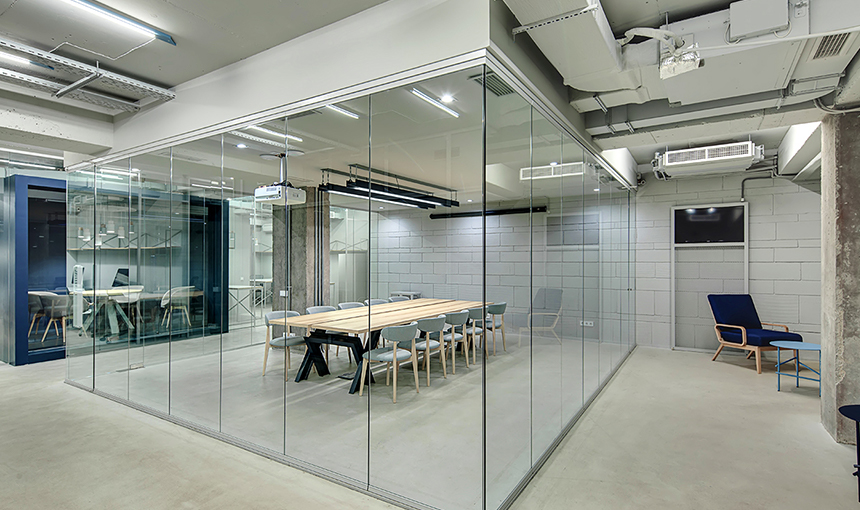
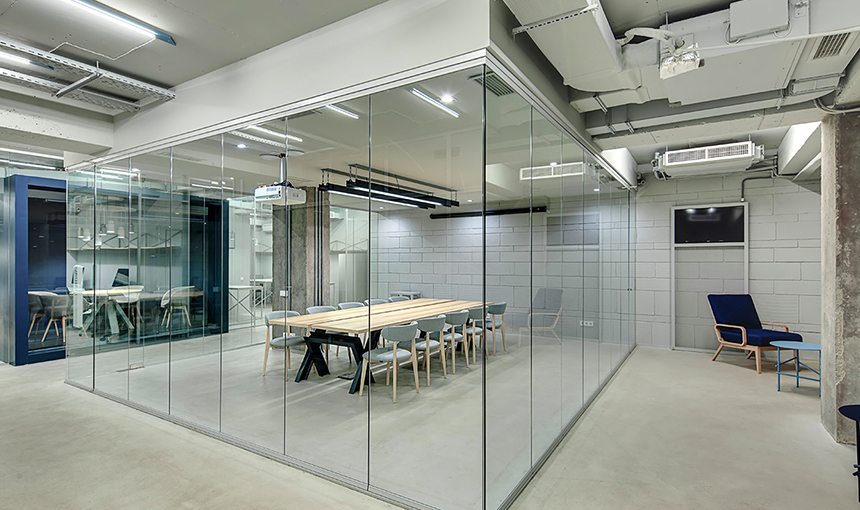
Excellent acoustic insulation makes double glass doors with PVB perfect for many noise-reducing uses. In office buildings, they are perfect for creating quiet conference rooms, private offices, or silent zones where employees may concentrate and have private conversations free from disturbance from corridor activity. These doors are perfect for bedrooms, home offices, and studies where silence is essential for leisure or study as they may significantly reduce noise from busy streets, noisy neighbors, and even internal sounds between rooms. These doors make hotel guests comfortable by reducing hallway noise. In hospitals and concentrated learning environments in schools, they help create calm, therapeutic environs. Unlike solid soundproof doors, these doors also allow natural light in, thereby providing effective acoustic isolation and an open impression. Apart from soundproofing, the laminated PVB layer fixes shattered glass together and enhances UV protection, thereby providing a multifarious use.
About the Author