The useful comparison between an infrared sauna visit and a massage is not about declaring one better. They ask for different kinds of attention. Heat-based time can suit someone who wants a quiet room and a simple pause; massage can suit someone who wants hands-on bodywork and a chance to choose a style or focus area. The better starting point is the shape of the hour you actually have.
Compare the time around the appointment
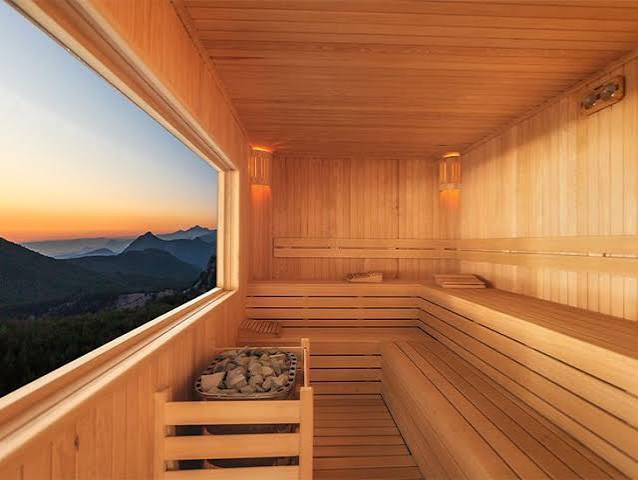
A sauna booking is often easiest to plan when the reader wants the appointment itself to be the main event. There is less menu-reading to do once the session type is chosen, which can be appealing after a crowded day. The practical questions are still important: how much time is available beforehand, how much time feels comfortable afterward, and whether a quiet return home is possible. Readers considering the infrared sauna session details in Thornhill can use those questions to decide whether heat fits the rhythm of the day rather than adding another obligation to it.
Massage tends to invite a different kind of planning. The menu may include Swedish, hot-stone, aromatherapy, reflexology, or focused options, so the reader has a little more to clarify before booking. That is not a drawback; it simply means the appointment works best when there is room to describe preferences plainly. Choosing a service length that matches the calendar is more useful than choosing the longest item because it sounds impressive.
Notice what you want the setting to do
Some people want a low-conversation appointment after a day of meetings, caregiving, errands, or screens. A heat-based session can be a straightforward choice for that reason. Others want a practitioner-led service with a defined focus, whether that means broad relaxation, a lighter touch, or a more specific massage style. Neither preference needs a grand explanation. It is enough to decide whether the desired pause is mostly quiet, mostly hands-on, or a little of both.
For the hands-on option, the local holistic massage service menu lists several massage formats. A reader can treat that list as a way to have a clearer conversation, not as a pressure to optimize every detail. Naming the amount of time, the preferred intensity, and any areas that should be avoided makes the comparison more practical than a generic claim about what any modality should accomplish.
Keep wellness choices separate from medical questions
A spa appointment can be part of an ordinary self-care routine, but it should not be asked to diagnose symptoms or replace clinical advice. Anyone with a health concern, a contraindication question, or unusual pain should take that question to an appropriate qualified clinician. That boundary actually makes a service comparison easier: the decision can stay focused on comfort, setting, schedule, and the kind of non-medical experience the reader wants.
Make one appointment enough
People sometimes create a false choice by trying to stack sauna, massage, facials, and errands into one afternoon. A better comparison asks what can be left out. If the week is crowded, one well-chosen appointment with some open time afterward may feel more restorative than a package built from four separate ideas. The useful option is the one that does not turn calm into another project.
Choose the service that fits the actual day, then leave enough room for the decision to feel unforced. That may mean infrared sauna time when silence is the priority, or massage when a more directed bodywork appointment feels right. The comparison is successful when it produces a simpler plan, not a stronger claim.
Use the appointment to learn your preference
A first comparison does not need to settle a permanent preference. After one clearly planned visit, a reader may notice that the quiet of heat-based time is what they were looking for, or that a massage conversation and hands-on format feels more useful. That small piece of self-knowledge is enough to guide a future booking. It is more reliable than trying to predict every preference from a menu before experiencing the service at all.
About the Author